

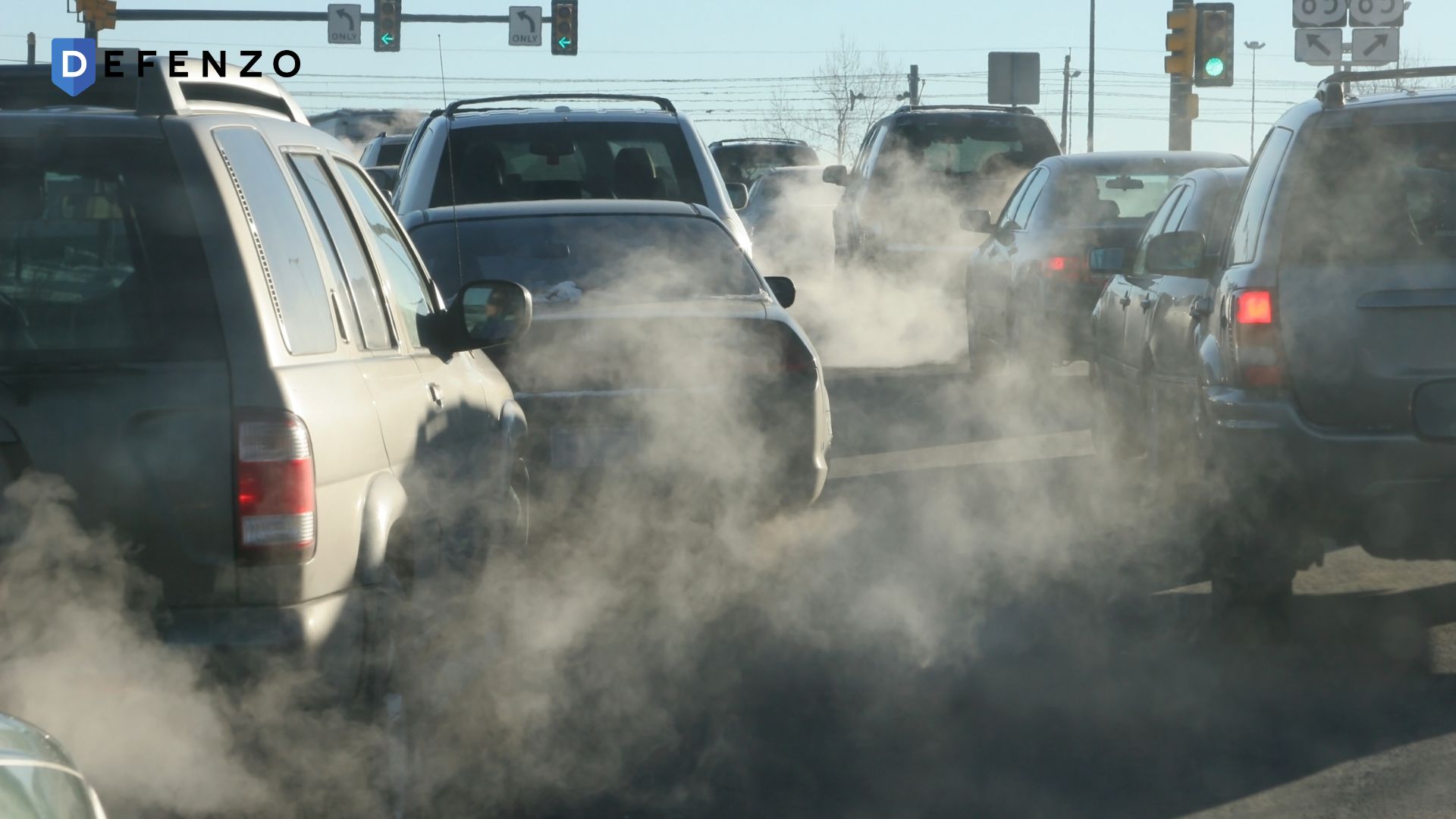
When we talk about ecology in the automotive industry, we usually focus on what we can see with the naked eye – the smoke from the exhaust pipe or the lack thereof. However, to fairly assess how internal combustion and electric cars affect the environment, it is worth looking at their entire lifecycle: from the factory, through years of driving in crowded cities, to the moment the vehicle reaches the end of its life. Let’s take an unbiased look at how these two worlds stack up in the ecological balance sheet.
Who starts with a cleaner slate
To put it plainly: manufacturing an electric car places a heavier burden on the environment than making a conventional combustion engine vehicle. Everything revolves around the battery, because producing traction cells requires extracting rare raw materials from the earth, such as lithium, cobalt, nickel, or manganese. This process involves mining operations and consumes vast amounts of energy. A combustion engine car is built in a factory at a lower environmental cost and generates a smaller initial carbon footprint. An electric car, on the other hand, starts at a disadvantage, as the battery production itself and the extraction of these elements mean higher emissions at the starting line. Does this mean the EV loses? Definitely not, because manufacturing is only the beginning of a vehicle’s long journey.
Where the real difference shows on the road
The real gap between the two types of powertrains opens up when the cars hit the road, giving both the natural environment and city residents a breath of fresh air. Throughout its entire lifespan, an internal combustion vehicle continuously burns fossil fuels, emitting carbon dioxide, nitrogen oxides, and carcinogenic particulate matter directly into the atmosphere right where we live and breathe. An electric car, by contrast, has no exhaust pipe, which in practice translates to zero local emissions in cities. The air under our windows becomes cleaner, and the streets significantly quieter. Of course, an EV needs electricity, but when charged with green energy from renewables or directly from home solar panels, its ecological footprint drops drastically, allowing it to quickly make up for its factory head start.
Closed-loop raw materials and the future of recycling
What happens to a car when its time comes to an end? In the case of combustion-powered motoring, used fluids and components require disposal, while burned fuel disappears permanently into the atmosphere. The world of electromobility embraces a circular model, where modern EV battery recycling technologies can recover the vast majority of valuable elements from spent batteries. The recovered raw materials are fed back into the production of new cells, meaning that in the future there will be no need to mine them from the earth indefinitely.
Is electromobility eco-friendly?
Traditional internal combustion engines have powered our world for decades, but their structural flaw lies in concentrating pollution right where human life takes place. Electric cars are not a magic bullet that leaves no footprint during production; however, in daily use and over the long term, they represent an incomparably cleaner technological alternative. Coupled with the development of green energy and recycling, they point the direction toward a future where sustainable transport becomes part of our everyday lives.