

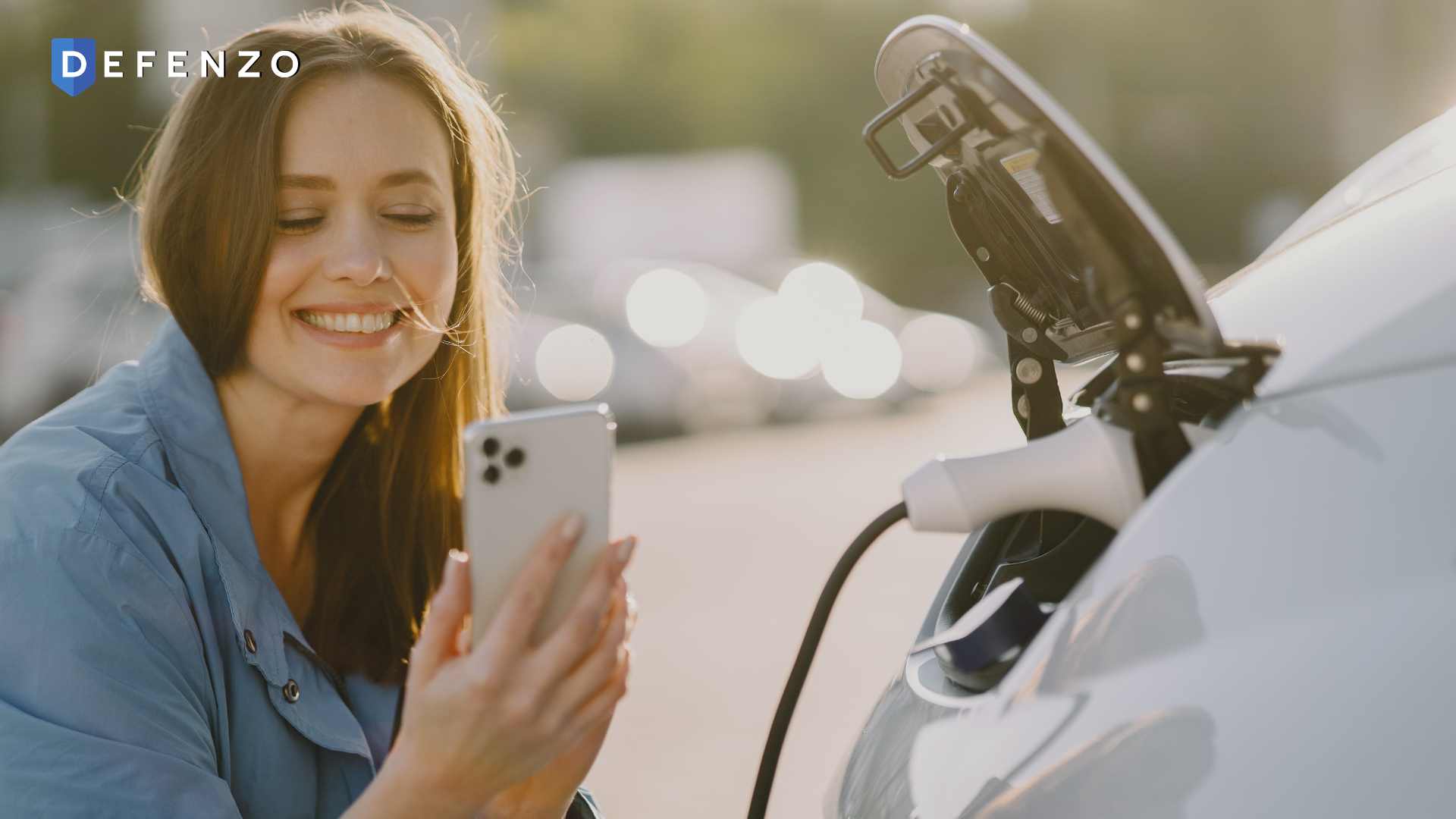
Investing in an electric vehicle charger in an open parking lot of a company, hotel, or residential community involves risks that are rarely considered when installing one in a private garage. Equipment operating in public spaces must face not only downpours and frost but also careless drivers, acts of vandalism, and attempts at electricity theft.
What gets damaged most often in outdoor parking lots, and how do advanced electronics and thoughtful design protect the station against destruction?
Socket or integrated cable? The issue of failure rate
The choice between a station with a thick, permanently attached cable and a version with just a socket is the first decision affecting safety. In open commercial parking lots, a Type 2 socket station is a much safer choice. Why?
A dangling cable in a publicly accessible parking lot is the easiest target: it can be run over by car wheels, thrown into the mud, and in extreme cases, the plug can be mechanically damaged by falling onto concrete. Choosing a station with a socket means that the driver must connect their own cable. When no one is at the spot, there is no element hanging from the charger that can be mindlessly torn off or destroyed.
Protection against moisture and flooding (IP54 rating)
The electronics controlling the charging process and communication modules are extremely sensitive to moisture. Cheap equipment imported from unverified sources often capitulates during the first sideways downpour or during snowmelt.
A professional charging station must have a certified ingress protection rating of at least IP54. This means full dust protection and, most importantly, resistance to splashing water from any direction. Sockets in such devices are factory-protected by spring-loaded flaps with a seal that automatically cut off water flow when no vehicle is plugged into the station.
Digital lock: Stop electricity theft
Physical damage is one thing, but an equally great threat in corporate or residential parking lots is energy vandalism, i.e., unauthorized electricity consumption. Leaving a station in “Plug & Charge” mode outside a building is asking for gigantic bills.
A secure station solves this problem in two ways:
- RFID authorization: The device is locked until an authorized user (employee, hotel guest, resident) holds a programmed proximity card to the housing.
- Remote management via app: Integration with Smart Life / Tuya systems allows the administrator to immediately cut off power to the socket remotely from a smartphone, even if someone is physically tampering with the device.
Intelligent self-diagnostics and RCD protection
Internal safety systems protect not only the station itself but also the building’s network and the car being charged. Modern electric car chargers have built-in modules that monitor current parameters in real time.
In the event of detecting any anomalies—such as a sudden voltage surge, network overload, or dangerous temperature rise inside the housing—the station interrupts the session in a fraction of a second and cuts off the power supply. A key element here is also the built-in residual current device (RCD Type B / RCD 6mA DC), which immediately reacts to possible DC leakage, eliminating the risk of electric shock to the user, even when charging in heavy rain.